Podcast: Play in new window | Download (Duration: 50:16 — 69.0MB)
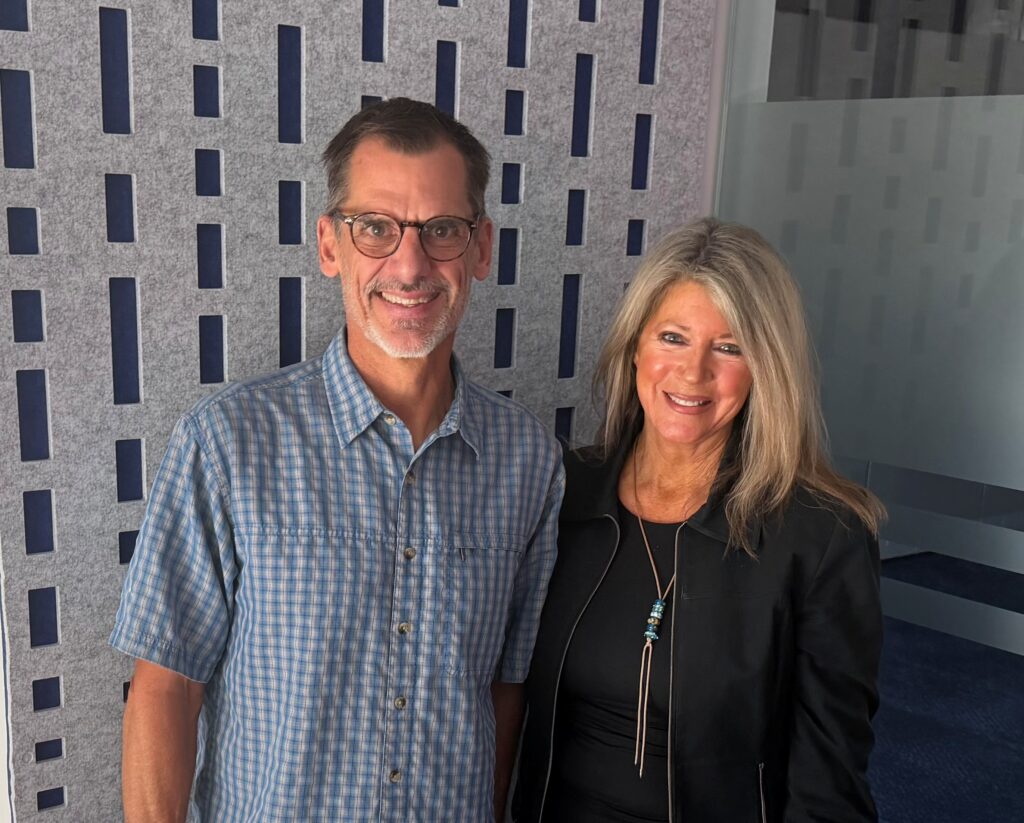
When J.P. MacFadyen first joined Discover Lafayette in 2022, Moncus Park was still in the early stages of becoming the extraordinary public gathering place envisioned by a group of determined Lafayette citizens nearly two decades earlier. Today, the 100-acre park in the heart of Lafayette has blossomed into one of Acadiana’s most treasured destinations, offering everything from peaceful walks among native plants and wildlife to concerts, outdoor movies, fitness classes, farmers markets, and holiday celebrations.
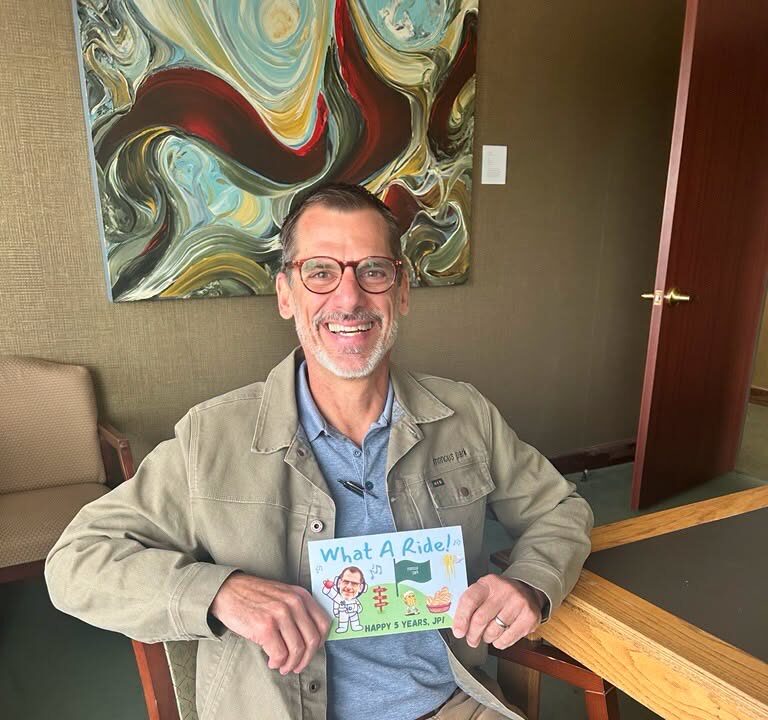
J.P., who joined Moncus Park in 2019 as operations director and became executive director in 2021, returns to share the latest developments, including new facilities, an ambitious calendar of free public programming, and the financial realities of operating a privately managed, nonprofit park that welcomes everyone.
The conversation also takes us back to the beginning, when two young women, E.B. Brooks and Danica Adams, helped rally the community to save the former horse farm from development.
Reflecting on their efforts more than 20 years ago, J.P. says, “There was a yearning and now even more so for public spaces where people can connect and belong.”
That sense of belonging remains central to everything Moncus Park does.
More Than a Beautiful Green Space
One of the most remarkable aspects of Moncus Park is the feeling of escape it provides despite its location along one of Lafayette’s busiest thoroughfares. A short walk into the park brings visitors into a landscape of rolling hills, water, trees, wildlife, and peaceful places to reflect.

J.P. explains that the park’s programming is built around three guiding pillars: nature and sustainability, community and belonging, and health and wellness.
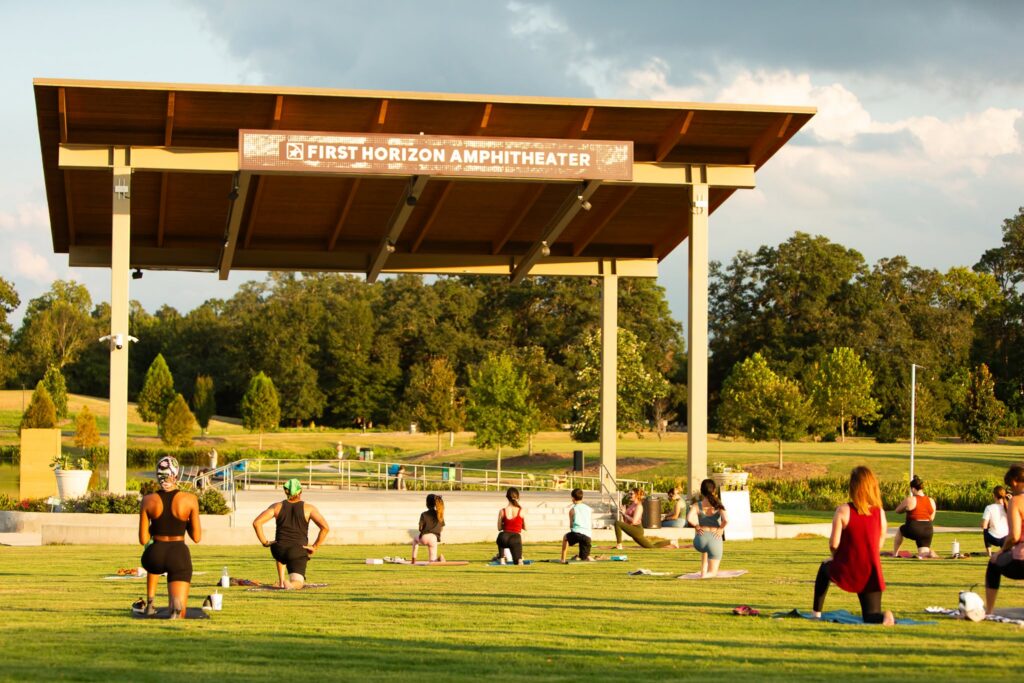
These priorities are reflected in a growing assortment of activities, from birdwatching and learning about native plants to yoga, Pilates, sound baths, cultural exchanges, and organized dog walks.
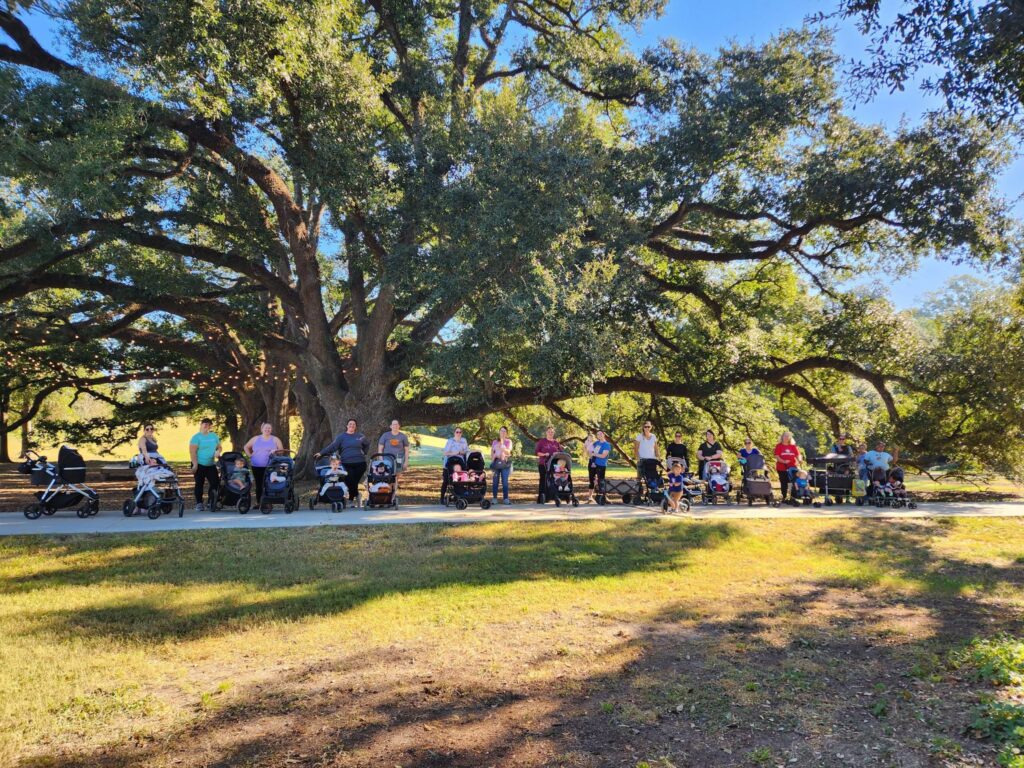
The park partners with For the Birds of Acadiana to release rehabilitated birds back into their natural environment. Visitors can participate in these releases, which are incorporated into the park’s nature programming. Moncus Park also works with the University of Louisiana at Lafayette on cultural exchanges that introduce visitors to different traditions through food, dance, and other experiences.
Even something as simple as walking a dog can create a meaningful human connection.
“It’s amazing when you put people in a public space together with some sort of activation, how easy it is for people to bond,” J.P. explains.
For J.P., these activities serve a larger purpose. They provide a reason for someone to visit the park for the first time, discover its beauty, and perhaps develop friendships along the way.
He describes a philosophy of creating inviting public spaces that begins with making them clean, safe, and welcoming. From there, thoughtful landscaping, benches, shade, and amenities make people comfortable. Programming then brings the space to life.
New Improvements: A Meditation Garden, More Parking and a Farmers Market Pavilion
Several significant improvements have made Moncus Park more accessible and inviting.
Among the newest additions is the Kergan Family Meditation Garden, located beyond the central bridge toward the quieter back portion of the park. The garden is arranged into four smaller garden spaces, each with distinctive plantings, benches, water features, and inspirational messages.
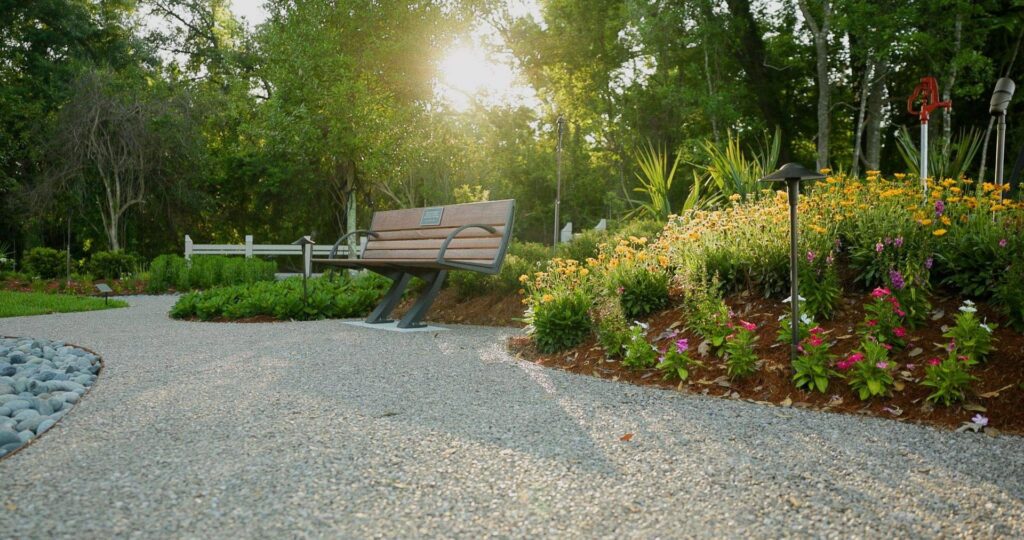
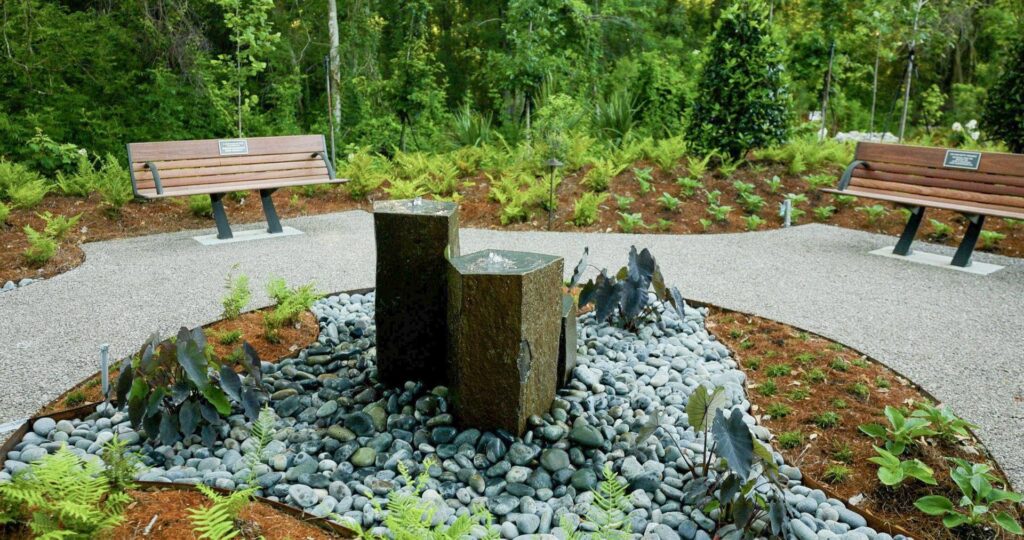
J.P. describes it as a place designed for reflection, where visitors can enjoy a moment of quiet in the middle of the city.
The park has also substantially expanded its parking capacity with assistance from state funding. The primary paved parking area increased from 155 to 225 spaces, and the new Paul Doerle Sr. Farmers Market Pavilion includes an additional paved parking area. With overflow parking, the park can accommodate approximately 600 vehicles during major events.

The Farmers Market Pavilion represents another important milestone. In addition to providing a home for the popular Saturday market, it creates new opportunities for weddings, family reunions, corporate crawfish boils, and other gatherings.
These rentals are especially important because they help generate the revenue necessary to sustain the park’s operations.
The Financial Reality of Running Moncus Park
One of the most revealing portions of our conversation concerns a fact that many Lafayette residents may not fully appreciate: Although the City of Lafayette owns the land, Moncus Park is operated and maintained by a nonprofit conservancy.
The conservancy is responsible for the park’s construction, maintenance, security, landscaping, programming, trash collection, and day-to-day operations.
Its annual operating budget approaches $3 million.
“That is a challenge we face every year,” J.P. acknowledges, explaining the continuing need to educate the public about the park’s financial structure.
The organization relies on a combination of charitable contributions and earned revenue, with the goal of eventually achieving an approximately equal balance between the two.
Earned revenue comes from facility rentals, paid parking, memberships, corporate sponsorships, and other activities. Parking is currently described in the interview as $2 per hour, while memberships starting at $15 per month provide free parking and additional benefits.
Corporate sponsorships make many of the park’s free programs possible.
J.P. emphasizes that the park’s commitment to open access does not mean it operates without significant expense. Keeping the grounds beautiful, restrooms clean, structures maintained, and public programming available requires both professional staff and continuing financial support.

Moncus Park operates under a 100-year lease, giving the conservancy a long-term responsibility for a space intended to benefit generations of Acadiana residents.
Saturday Mornings at Moncus Park

The Lafayette Farmers and Artisans Market has become one of the park’s signature attractions and a favorite destination for residents and visitors alike.
J.P. jokes with his staff that the park practically owns Saturday mornings in Lafayette.
With approximately 60 to 80 vendors on a typical Saturday, visitors can browse fresh produce, prepared foods, coffee, locally produced jams and jellies, handmade crafts, and other artisan products.
The experience is made even more distinctly Acadiana by the Cajun music jam, generally beginning around 10 a.m., when musicians gather with fiddles, accordions, guitars, and other instruments.
For out-of-town guests wondering how to spend a Saturday morning in Lafayette, J.P. considers the market a natural destination. It brings together food, music, culture, and conversation in a way that celebrates the character of our community.
Christmas in the Park: A Louisiana Winter Wonderland
One of the most anticipated events of the year is Christmas in the Park, scheduled for December 18–20, 2026.
This three-day celebration brings holiday lights, live entertainment, visits with Santa, children’s activities, food trucks, a holiday market, and even snow sledding to South Louisiana.


J.P. explains how the park transforms one of its smaller hills into a sledding destination using enormous quantities of shaved ice delivered and produced by a specialty vendor.
Even for someone who grew up in Pittsburgh, he finds the experience convincing.
“For a guy from Pittsburgh, I’ll say it’s some legitimate. It’s a legitimate hill.”
The snow activities are made possible through sponsorship from Our Lady of Lourdes, allowing families to enjoy the experience without an admission charge.
The festivities also include sensory areas for visitors who may need a quieter environment, a children’s train, and a holiday movie night. J.P. explains that the movie selection is typically opened to a community vote.

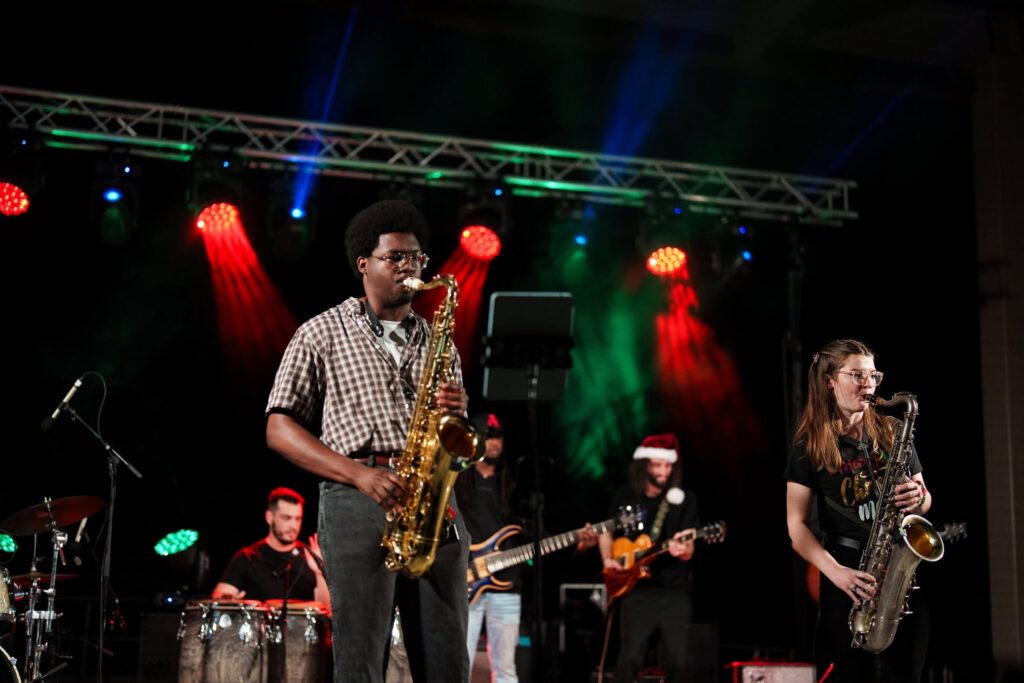
The celebration reflects Moncus Park’s commitment to providing experiences that families of different backgrounds and means can enjoy together.
Looking Ahead: The Back 50 Acres
With much of the front portion of the park now developed, attention is gradually turning toward the remaining acreage.
J.P. is careful to distinguish between long-term possibilities and definite construction plans. “There are dreams,” he says when asked what might come next.
The original master plan envisioned additional improvements in the back portion of the park, but the conservancy is now beginning to revisit those ideas with landscape architects, designers, and community experts.
A central principle is that the deeper visitors travel into the park, the quieter and more natural the experience should become.
The front of the park accommodates more active uses, including the Farmers Market Pavilion, First Horizon Amphitheater, and community events. The meditation garden provides a transition toward the quieter areas beyond.
For the back 50 acres, J.P. envisions an emphasis on trails, trees, shade, and opportunities to experience nature.
Although an additional lake appeared in the original master plan, he acknowledges the significant maintenance responsibilities associated with water features and says another lake is not currently being contemplated.
The park is still developing its vision for this portion of the property, with a commitment to respecting its neighbors and preserving peaceful natural areas.
Bringing National Cross-Country Competition to Lafayette
Another exciting development is the upcoming National Junior Olympics Cross Country Championships, which J.P. discusses enthusiastically.
Scheduled for December 12, 2026, the competition is expected to bring young runners and their families from across the country to Lafayette. The courses will wind through Moncus Park, with a finish that takes runners over Orlando Mountain and onto the Great Lawn. J.P., a former marathon runner who met his wife Michelle through their shared love of running, is particularly excited about the event.
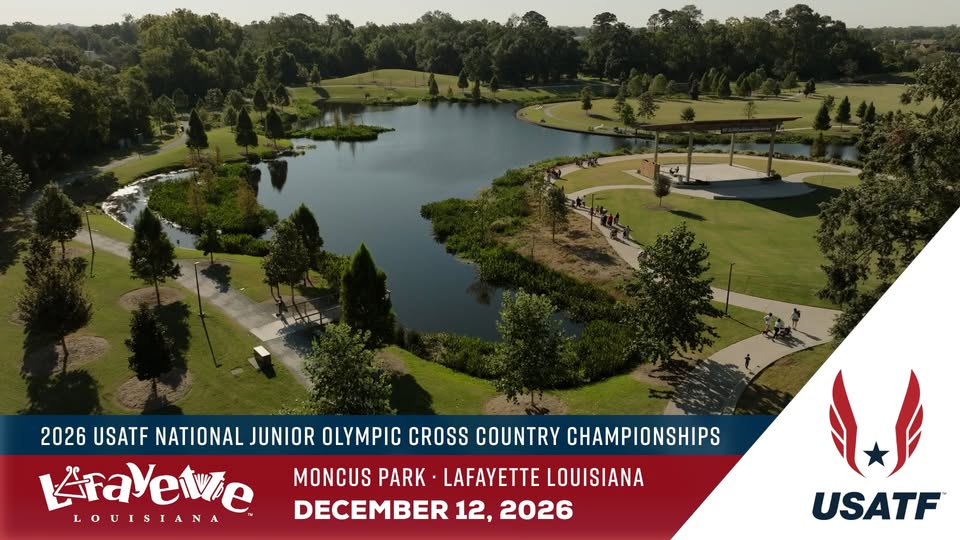
The following day, the park plans to offer a community 5K utilizing the championship course, giving local runners an opportunity to experience the same route as the visiting competitors.
J.P. anticipates that the competition will be a significant opportunity to showcase Lafayette’s hospitality, culture, and attractions to visitors from across the country.
Learning What Works for the Community
J.P. also offers an interesting perspective on how Moncus Park’s approach to programming has evolved.
Early expectations included hosting large concerts and generating substantial revenue through beverage sales. Experience, however, demonstrated that the park’s strongest appeal lies in its family-friendly atmosphere.
Outdoor movie nights have become especially popular, with families bringing blankets, pillows, and children dressed in pajamas to enjoy a movie under the stars. J.P. describes the experience as “a drive in without a car.”
Rather than attempting to replicate existing Lafayette festivals, the park has focused on experiences that complement the community’s other cultural offerings.
J.P. believes in trying new ideas, evaluating their success, and making adjustments. His team regularly reviews programming to determine what resonates with visitors and how to make the best use of limited resources.
Parks as Social Infrastructure
Perhaps the most thought-provoking portion of our interview comes when J.P. reflects on a national parks conference he attended in Austin with his team.
A speaker from New York University discussed the concept of parks as social infrastructure, as places that strengthen human connections and help address the growing isolation many people experience. J.P. relates this idea directly to Moncus Park’s mission.
In an era increasingly dominated by smartphones, digital communication, and time spent indoors, public spaces offer something essential: opportunities to interact with other people, experience nature, and develop a sense of belonging.
“People are yearning,” he observes, returning to the theme that began our conversation.

For J. P. MacFadyen, investing in public parks is not simply about maintaining attractive landscapes. It is an investment in the social fabric of the community.
The conservancy’s long-term vision is to create a lasting legacy, a place where future generations can gather, celebrate, exercise, reflect, and enjoy the natural beauty of Lafayette.
Moncus Park is still relatively young, and J.P. readily acknowledges that his team continues to learn from other park conservancies around the country.
Yet what has already been accomplished is extraordinary: a former horse farm saved through grassroots advocacy has become a treasured community asset, supported by donors, businesses, volunteers, and a professional team committed to its success.
As J.P. reminds us, the park belongs to the community in the most meaningful sense. Its future depends on the community continuing to use it, enjoy it, and support it.
Visit moncuspark.org to learn more about the park’s history, upcoming events, membership opportunities, and ways to contribute.