
Podcast: Play in new window | Download ()
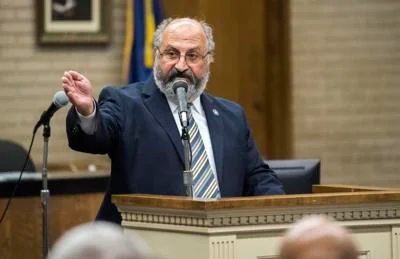
After 31 years serving as a Lafayette City Court judge, Judge Douglas “Doug” Saloom is preparing to retire at the end of 2026, closing a remarkable chapter in Lafayette’s judicial history. Between Doug and his father, the late Judge Kaliste Saloom Jr., the Saloom family has served on the Lafayette City Court bench for more than seven decades.
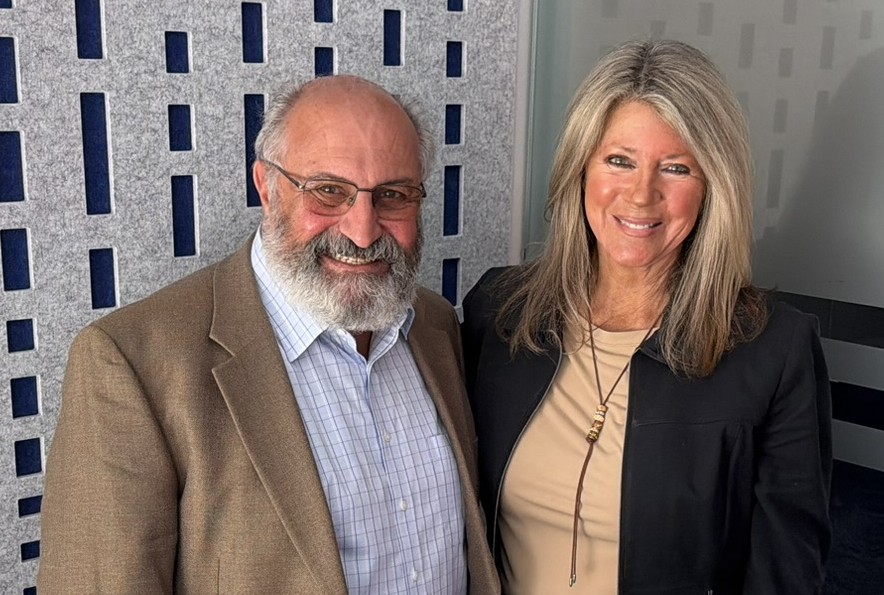
Judge Saloom joined Discover Lafayette to reflect on his family’s deep roots in Lafayette, the lessons he learned from his father, his commitment to treating everyone who enters his courtroom with dignity and respect, and the many interests that will keep him busy after retirement.
While his judicial accomplishments are extensive, what shines through in our conversation is his genuine love of people and the Lafayette community.
A Family Legacy That Helped Shape Lafayette
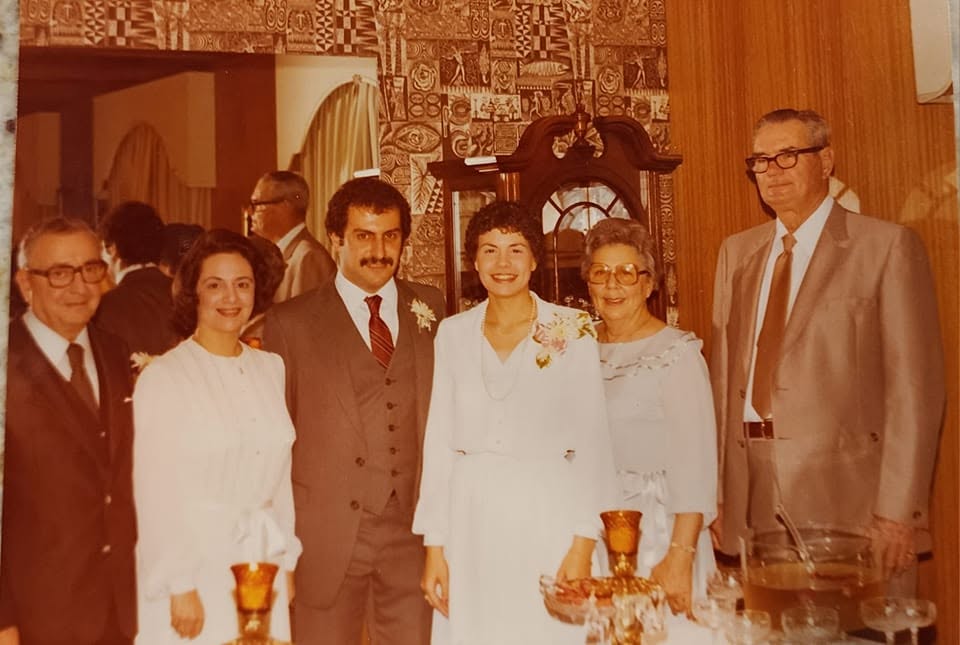
Judge Saloom grew up surrounded by the legal profession. His father, Judge Kaliste Saloom Jr., served as Lafayette City Court judge from 1953 until his retirement in 1993. As a young boy, Doug accompanied his father to the courthouse on weekends, helping update the pocket parts of Louisiana’s legal reference books. As he grew older, he and his siblings would walk over from school and sit in the courtroom waiting for their father to finish his work.
His father’s influence extended far beyond the courthouse. Judge Kaliste Saloom Jr. was deeply involved in Lafayette’s civic life and had witnessed the community’s transformation from a small town into a growing regional center.

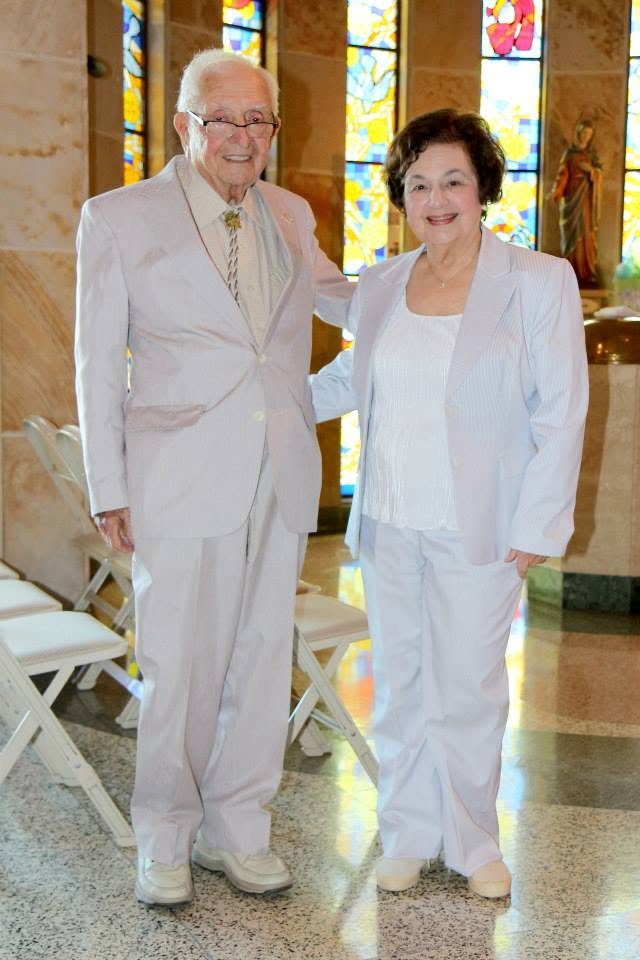
One interesting bit of Lafayette history involves Kaliste Saloom Road. Contrary to what many assume, the road was named not for Judge Doug Saloom’s father, but for his grandfather, Kaliste Saloom Sr.
Doug explained that his grandmother owned land in what was then the countryside outside Lafayette, where she enjoyed going to pick pecans. When land was needed for a fire station, she donated a portion of her property, and the road was named in honor of her husband.
As Doug recalled his father’s favorite explanation:
“Dad always said the road and I are named after the same person.”
The family’s connection to Lafayette’s history is something Doug hopes to preserve. Among his retirement projects will be reviewing his father’s papers, correspondence, and historical records, including documents relating to Lafayette’s early civic development and his father’s World War II military service.
From Tulane Law School to the Lafayette City Court Bench
A graduate of the University of Southwestern Louisiana, now UL – Lafayette, Doug earned his law degree from Tulane University in 1985.
He always knew he wanted to practice law. Growing up in a family immersed in the legal profession, he could scarcely imagine another career.
After law school, Doug returned to Lafayette and joined his brothers in the family law practice. His early career included criminal defense work, and he became involved with the public defender’s office after accompanying attorney Gerald Block to court. That experience sparked a lasting interest in criminal law and courtroom advocacy.
In 1994, when Judge Mike Sullivan announced his move to the Louisiana Third Circuit Court of Appeal, an opportunity arose to seek the Lafayette City Court judgeship. Doug discussed the possibility with his older brother, who encouraged him to pursue it.
Doug was elected and took office in November 1995. His father had retired two years earlier, and Doug’s election began another generation of Saloom family service on the City Court bench.
Why City Court Is Truly the People’s Court
Judge Saloom describes Lafayette City Court as a place where ordinary citizens can resolve disputes without the expense and complexity of larger court proceedings.
City courts are courts of limited jurisdiction, handling civil disputes, landlord-tenant matters, small claims, traffic offenses, and certain misdemeanor criminal cases.
During his tenure, Judge Saloom worked with legislators to increase Lafayette City Court’s civil jurisdictional limit, which was just $5,000 when he first took office. The limit eventually increased to $35,000, bringing Lafayette in line with other city courts in the 15th Judicial District.
He believes that City Court’s greatest value is its ability to resolve disputes efficiently and provide citizens meaningful access to justice. “The purpose of a city court is expedient resolution of a conflict.”
He explained that attorneys often choose City Court because trials can typically be scheduled much more quickly than in district court.
But what he especially enjoys is working with people who appear without attorneys. He understands that for many litigants, simply having an opportunity to explain their situation and feel heard is profoundly important. “A lot of times the end result is not as important as the ability to have your day in court.”
Judge Saloom also discussed the court’s small claims division, where individuals can pursue relatively modest disputes using forms provided by the court, often without retaining an attorney.
Looking People in the Eye and Recognizing Their Humanity
Perhaps the most memorable part of our conversation was Judge Saloom’s explanation of how he approaches the people who appear before him. He believes judges have responsibilities extending beyond imposing fines, accepting pleas, and handing down sentences.
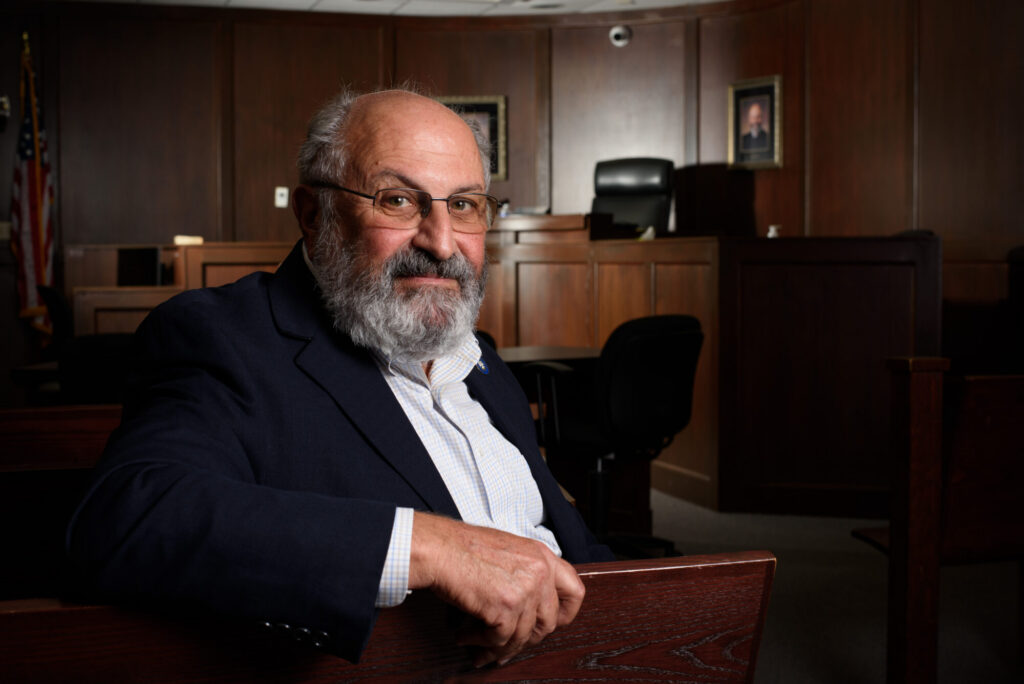
For Judge Saloom, looking someone in the eye and recognizing the person behind the charge can sometimes be the first step toward meaningful change.
He described occasions when defendants returned to court looking healthier and more hopeful than they appeared in their original booking photographs. Rather than focusing solely on their past mistakes, he would acknowledge their progress and encourage them to continue. “You’d be amazed at the number of people that just need you to look at them and say, hey, I don’t know what you’re doing, but I could see it’s working.”
He has witnessed people become emotional simply because someone in authority noticed their efforts to improve their lives.
For him, the goal of the court is not to collect fines or continually punish people. It is to help them make better decisions and avoid returning to court.
“Our whole goal is to get people not to come back.”
Judge Saloom also believes humor has a place in the courtroom, provided it does not diminish the dignity of the proceedings.
He shared a hilarious story about a young man who appeared in court wearing an impressive collection of gold jewelry while claiming he had no money to pay several hundred dollars in traffic fines.
After the judge jokingly suggested a trip to the pawn shop, the young man discovered he had enough cash to pay his fines. Judge Saloom recalled that everyone else in the courtroom promptly removed their jewelry!
His philosophy is that people who are nervous or frightened often have difficulty absorbing what is being said. A little humor can help them relax and better understand the seriousness of their circumstances.
Improving Traffic Safety and Addressing Impaired Driving
Throughout his judicial career, Judge Saloom has been deeply involved in impaired-driving education, traffic safety, and legislative improvements.
He has taught judges across the country about impaired-driving laws and emphasizes the importance of precise legal terminology, particularly the distinction between driving and operating a vehicle while impaired.
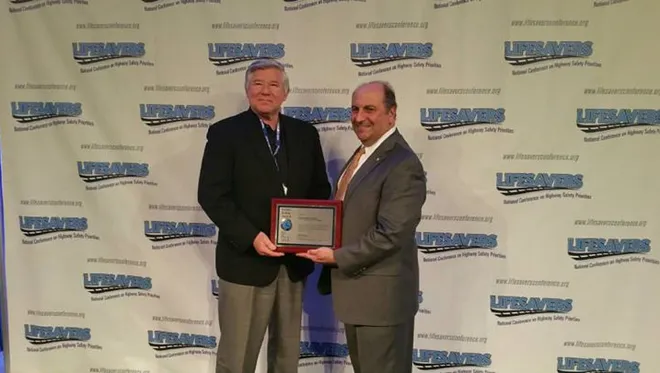
He also believes Lafayette must develop a stronger culture of patience and courtesy on its roadways as the community accommodates more pedestrians, cyclists, and people using electric bicycles.
“If you see something, it doesn’t matter who’s right, it matters who’s safe.”
He reminds drivers that having the legal right of way does not eliminate the responsibility to protect others. His message is simple: sometimes yielding to someone who is making a mistake is more important than insisting on being right.
Mentoring Young Lawyers and Preparing the Next Generation
Judge Saloom has spent much of his career teaching and mentoring attorneys, law students, fellow judges, and law enforcement officers.
He serves with the Louisiana State Law Institute, which reviews and studies Louisiana laws, and has participated extensively in judicial education.
He encourages young attorneys to spend as much time as possible observing trials and learning from experienced lawyers.
He also emphasizes that success in the legal profession requires far more than memorizing statutes and court decisions. Communication, writing, public speaking, and analytical skills are essential.
Our conversation touched on the growing role of artificial intelligence in legal research. While Judge Saloom recognizes that AI can help attorneys work more efficiently, he cautions against relying on technology at the expense of independent thought and thorough research. His advice is to use technology as a starting point, but then do the work necessary to understand and verify the law.
He recalled finding an important legal decision while researching an entirely different issue. That discovery ultimately changed the outcome of a serious criminal case. It was a reminder that careful reading, curiosity, and experience can reveal things that a narrowly focused search might miss.
Track and Field, Coaching, and the Joy of Giving Back
Outside the courtroom, Judge Saloom has devoted countless hours to youth athletics.
He coached his children and other young athletes in basketball, baseball, soccer, football, and track, always believing that parents should volunteer and contribute to the programs that serve their children.
Today, he is a nationally certified track and field official and serves as LSU’s head starter. He also officiates meets at UL Lafayette and has worked NCAA regional competitions and conference championships.


He expects to officiate approximately 20 meets this year and hopes to advance to the master certification level.
Judge Saloom particularly enjoys the relationships he has developed with young athletes over the years.
“I have a lot of kids now that call me coach. They don’t call me judge. They call me coach. And I smile every time.”
He sees coaching and officiating as another opportunity to give back, support young people, and encourage them to develop discipline and confidence.
Photography: Preserving the Moments That Matter
Judge Saloom is also an accomplished amateur photographer with a particular love for Louisiana landscapes, wildlife, and candid moments.


He purchased his first Canon camera in 1981 and has been taking photographs ever since.
For him, photography is about far more than creating beautiful images. It is a way of preserving memories, emotions, and moments that might otherwise disappear.
His photographs have even become part of the Lafayette City Court environment. After courthouse staff encouraged him to share his work, approximately 20 to 30 of his photographs were enlarged, framed, and displayed throughout the building.
One of his favorite photographs is a candid image of his father at Lake Martin, quietly observing the birds. He treasures the image because it captures his father’s expression and thoughtful nature.
Photography will undoubtedly remain an important part of Doug’s life after retirement.
Leaving the Bench While the Court Is in Good Hands
At 66, Judge Saloom acknowledges that he still has the energy and enthusiasm to serve another term. But he believes the time is right to pass the responsibility to a new generation.
He praised the leadership of his fellow judge, Judge Roya Boustany, Lafayette City Marshal Reggie Thomas, the court administration, and the dedicated staff who keep City Court operating smoothly.
His decision to retire is rooted in his belief that institutions are bigger than the individuals who serve them. “It’s not about the judge, it’s about the court.”
While leaving the courthouse after 31 years will undoubtedly be emotional, Doug looks forward to having more time with his wife, children, and grandchildren, including family members living in Texas and Florida.
He also hopes to continue his work with the Louisiana State Law Institute, remain involved in mentoring, officiate track meets, pursue photography, and perhaps serve as an ad hoc judge when needed.
He expressed deep gratitude for the opportunities Lafayette has given his family over generations.
Judge Saloom’s story reminds us that public service is not simply about holding an office. It is about respecting people, sharing knowledge, strengthening institutions, and leaving a community better than you found it.
We thank Judge Doug Saloom for joining Discover Lafayette and, more importantly, for his decades of dedicated service to our community.