Podcast: Play in new window | Download (Duration: 53:52 — 74.0MB)
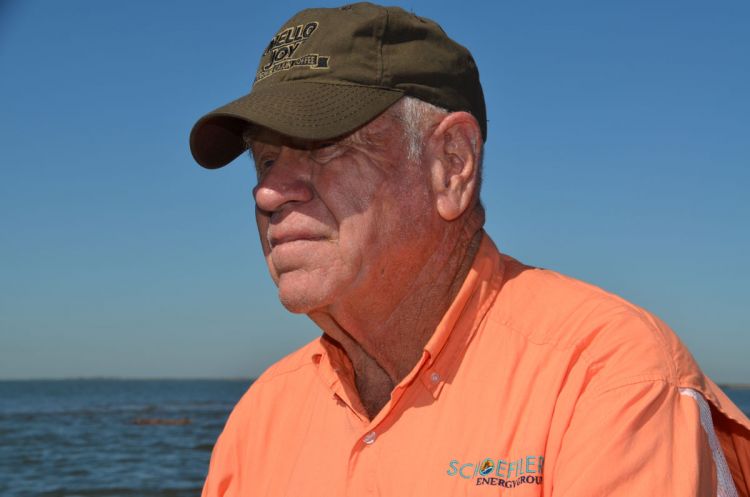
Few people have shaped environmental policy and conservation efforts in Acadiana as persistently as Harold Schoeffler.
Known to many as part of the family behind Schoeffler Cadillac, Harold’s legacy extends far beyond the automobile business. For more than six decades, he has been a tireless advocate for protecting Louisiana’s natural resources, improving public policy, mentoring young people through Scouting, and encouraging citizens to become active stewards of their communities.
In this wide-ranging conversation, Harold reflects on a lifetime of work that has touched everything from oil recycling and waste reduction to flood control, wildlife preservation, and public access to Louisiana’s waterways.
“The Gifts of the Earth Are Public Gifts”
Harold’s philosophy is rooted in a simple belief:
“We have private gifts, our health and our intelligence, that we will be held accountable for. But the gifts of the earth are public gifts, and we’ll be just as accountable for that.”
That conviction has guided his work for decades. Rather than simply criticizing problems, Harold has focused on finding practical solutions.
One of his earliest environmental victories came in the 1970s, when he discovered that used motor oil from most Lafayette service stations was being dumped into storm drains that ultimately emptied into local waterways.
At the time, 52 of Lafayette’s 54 filling stations were disposing of waste oil this way. Harold located a New Orleans recycling company willing to install storage tanks at no cost and purchase the used oil from station owners. After identifying a city fire code violation related to dumping petroleum products into storm drains, he worked with local officials to implement a citywide solution.
The result?
According to Harold, Lafayette became the first community in Louisiana to fully recycle used motor oil, selling it at 50 cents per gallon. “This was just money from heaven, you know.”
Transforming Waste into Resources
Harold’s efforts extended beyond oil recycling.
He became deeply involved in helping Lafayette address mounting waste disposal challenges, particularly yard waste and sewage sludge.
At a time when yard waste occupied enormous amounts of landfill space, Harold helped promote the use of tub grinders that could reduce volume by approximately 90 percent. The resulting mulch and compost products created value instead of waste.
Similarly, he worked on legislation and policy changes that allowed treated sewage sludge to be safely recycled for agricultural use rather than being hauled to landfills at significant public expense. These initiatives not only reduced environmental impacts but also saved taxpayers money and created new economic opportunities.
Today, Harold notes that many residents have little idea how much waste is already being recycled through these systems.
Saving the Louisiana Black Bear
Perhaps Harold’s most touching conservation achievement is his role in protecting the Louisiana Black Bear.
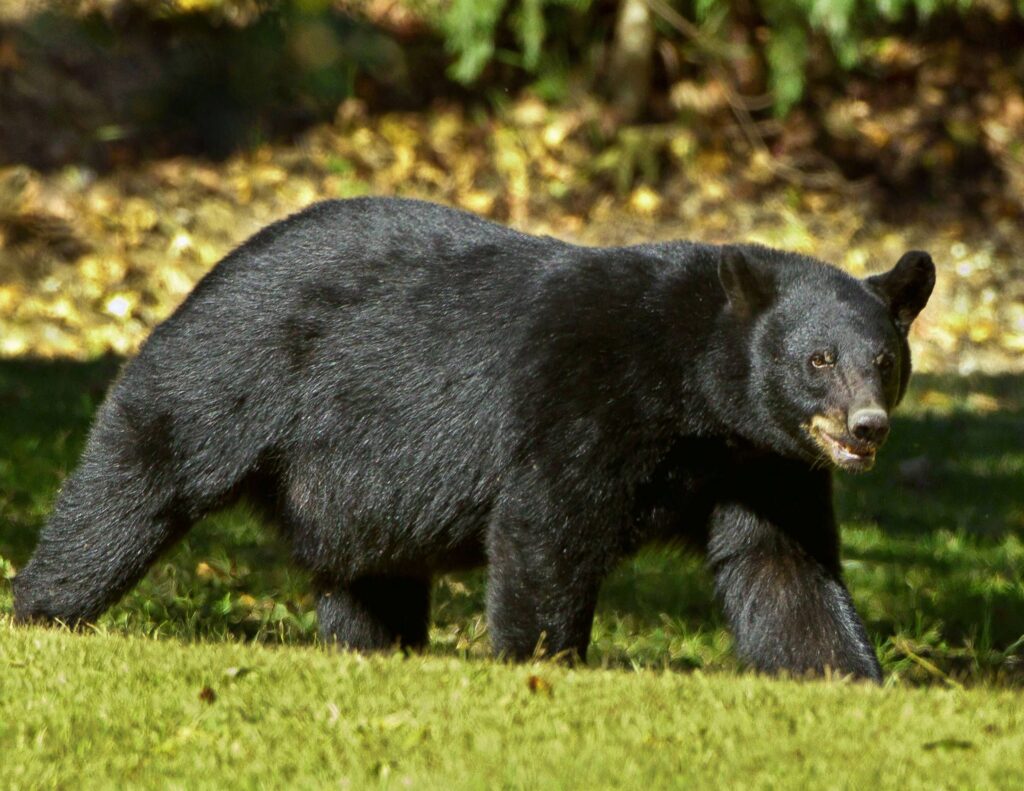
In 1987, he petitioned the U.S. Fish and Wildlife Service to place the Louisiana Black Bear on the endangered species list. After years of advocacy and litigation, the bear was officially listed as threatened in 1992. His efforts later contributed to the protection of more than one million acres of critical habitat for the species.
Harold explains that at the time he began his quest to protect the species, there may have been fewer than 300 to 400 Louisiana Black Bears remaining; yet Louisiana was continung to grant 165,000 big game hunting tags yearly before his efforts to save the black bear.
His concern was never opposition to hunting itself. As an avid outdoorsman, hunter, and fisherman, he viewed conservation as ensuring that wildlife populations remain healthy enough for future generations.
As he notes in our conversation, preservation of the species, not opposition to sportsmen, was always the goal. (Note: Due to recovery, the Louisiana Black Bear was officially removed from the List of Endangered and Threatened Species on March 11, 2016; however, it remains protected under Louisiana state law, and the Louisiana Department of Wildlife and Fisheries continues to actively manage this subspecies.)
The Atchafalaya Basin and Public Access
Another major chapter in Harold’s work involves the Atchafalaya Basin.
Over the years he has fought against practices he believed threatened the basin’s ecological health and public accessibility, including shell dredging operations and legal disputes involving public waterways.
He recounts the landmark Larry Daigle case, in which a commercial fisherman faced criminal trespassing charges while fishing in waters Harold believed were public. The case ultimately became a significant legal battle involving questions of public access, navigable waterways, and property rights within the basin. Harold views the outcome as a victory not only for one fisherman but for the public’s rights throughout Louisiana’s waterways.
His extensive firsthand knowledge of Louisiana’s waterways comes from decades spent hunting, fishing, scouting, and paddling through some of the state’s most remote landscapes.
A Lifetime in Scouting
Ask Harold what accomplishment makes him most proud, and his answer isn’t environmental litigation.
It’s Scouting. For 42 years Harold was involved in the Scouts and helped guide 125 young men to the rank of Eagle Scout.
Throughout our conversation, he repeatedly returns to the importance of believing in young people.
“If you think they can, they can. If you think they can’t, you can’t. And that’s a lesson for parents. You know, if you’re going to have a negative attitude towards your kids, you’re going to get negative results. But if you think they can, you know, they can sense that also.”
Harold shares lessons learned from serving on a military school board, where early special education programs demonstrated how expectations can profoundly affect a child’s success.
Those same lessons shaped his approach to mentoring Scouts, many of whom achieved far more than others expected of them.
His philosophy also extended to environmental stewardship.
He often taught Scouts that if boys are taught not to litter before the age ten, they are unlikely to become litterers later in life. Changing behavior early, he argues, is one of the most effective ways to improve communities.
The Power of Citizen Involvement
One recurring theme throughout this conversation is Harold’s belief that ordinary citizens can solve extraordinary problems.
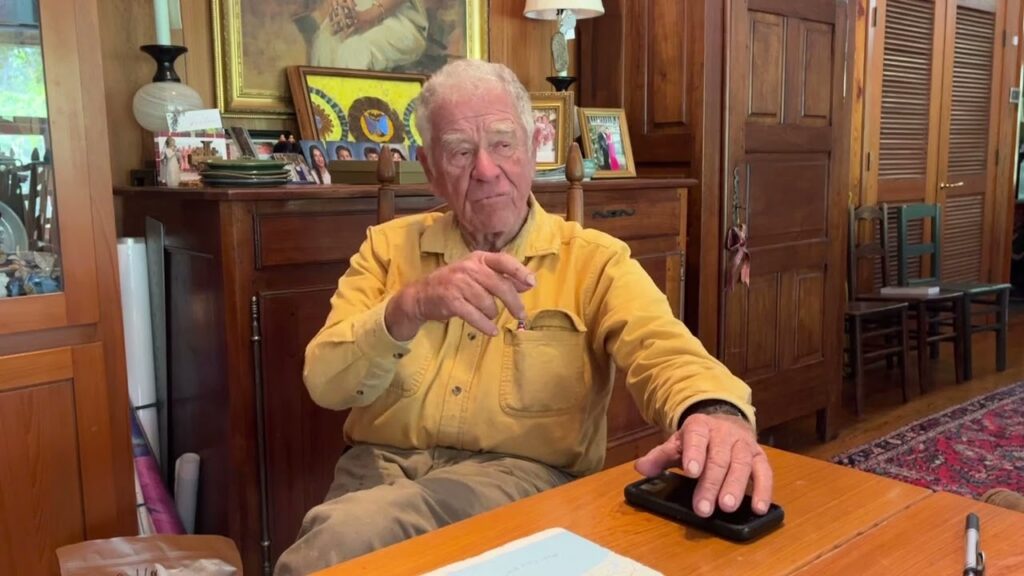
Whether discussing flood control, environmental policy, waste management, or economic development, Harold consistently points to the value of public participation.
He shares stories of public meetings where solutions emerged not from experts or consultants but from local residents willing to speak up and share ideas.
For Harold, conservation has never been about politics. It’s about facts, integrity, and doing what is right for the long-term health of the community.
“If they catch you in a lie one time, you’re dead.” Integrity, he says, must remain at the center of every public effort.
Looking Ahead
At a time when environmental issues often become politically polarized, Harold offers a refreshingly practical perspective. His message is simple: “If you pick up one piece of litter a day and all the people in town do it, you’d have no litter.”
The lesson applies far beyond trash.
Positive change often begins with small actions, sustained over time by people willing to care.
Harold Schoeffler’s life demonstrates what can happen when one citizen decides that stewardship is not someone else’s responsibility. It’s ours.
Topics Discussed
- Growing up in Lafayette and the Schoeffler family business
- Boy Scouts and mentoring 125 Eagle Scouts
- Recycling used motor oil in Lafayette during the 1970s
- Protecting the Vermilion River and local waterways
- Yard waste recycling and composting programs
- Sewage sludge recycling initiatives
- Flood control and watershed management
- The Atchafalaya Basin and public access rights
- The Larry Daigle case
- Shell dredging litigation
- The Louisiana Black Bear and endangered species protection
- Public engagement and environmental stewardship
- Why integrity matters in public advocacy